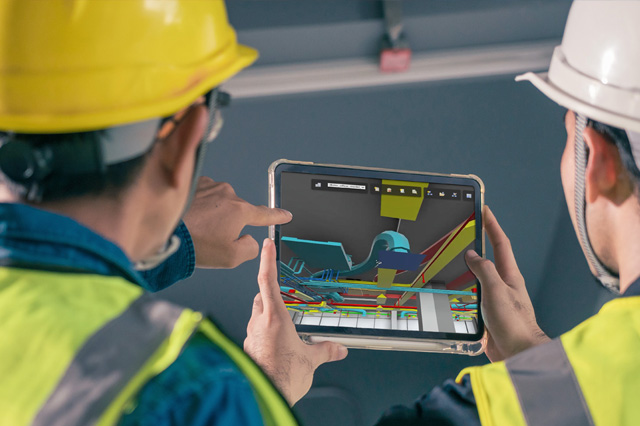
Digital Twin
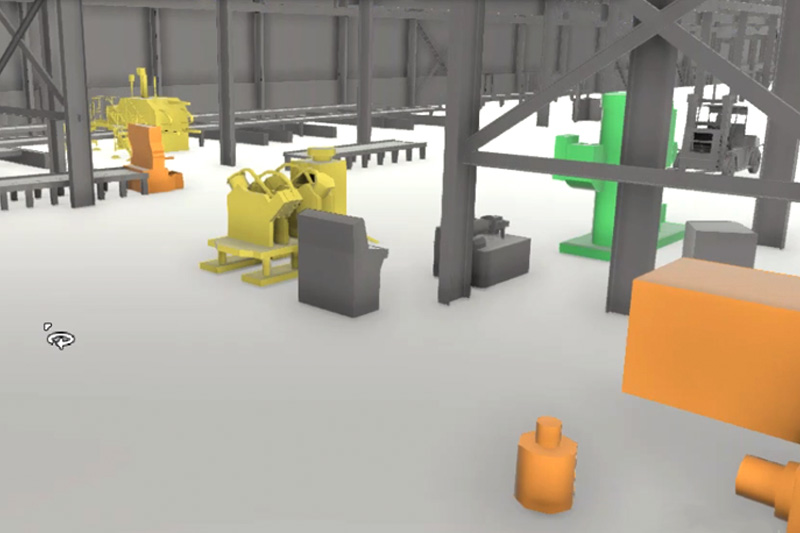
Understand the present, predict the future.
A digital twin is a virtual replica of the design, behaviour and environment of physical assets that can help organisations reduce downtime, improve asset performance, optimise maintenance schedules and improve safety.
Digital twins can play a key role in asset management by bringing information together in a single environment where assets from bridges, airplanes, machine components or even an entire city can be monitored, tested and explored.
The idea of a working duplicate to test and study performance without impacting the real world is nothing new – NASA used multiple physical and data simulators during the Apollo missions of the 60s and 70s to prepare for any number of possible scenarios.
A digital twin goes further, using sensors to create a complete virtual environment that spans the asset’s lifecycle, is updated from real-time data, and applies simulation, machine learning and reasoning to model innovation and aid decision-making.
Beyond simulation and testing
What makes a digital twin different from a simulator or test environment is maintaining an up-to-date and accurate copy of the asset in the real-world over time. It is therefore essential that the digital twin is designed around the two-way flow of information, allowing the digital twin to change in real-time along with its physical counterpart.
Ultimately, this means that a digital twin is a vital tool to help engineers and operators understand not only how their assets are performing, but how they will perform in the future.
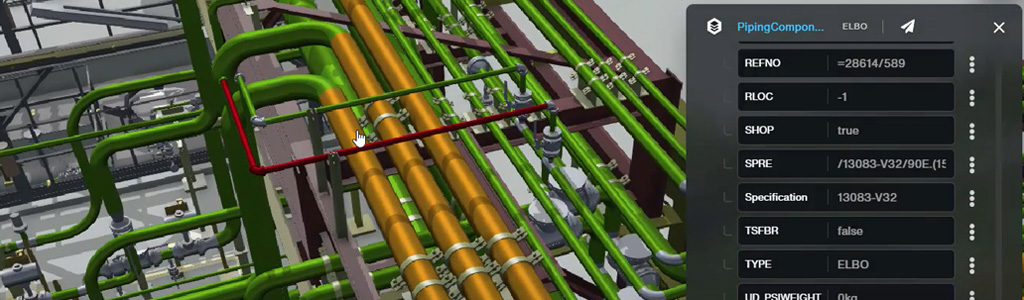
Use Cases For Digital Twins
Digital twins allow for testing improved maintenance practices, scenario modelling and staff training activities to be completed without impacting asset performance in the real world.
Digital twins are increasingly being used to simulate complex operating scenarios and model alternative designs and work practices for:
- airports
- data centres
- railways
- electricity grids
- wind farms
- ports.
Examples
- Combining real-time information on ship movements, infrastructure, water and weather conditions to optimise use of port facilities.
- Model new and existing elements within a complex building environment to streamline construction, improve collaboration between multidisciplinary teams and enable a fast-tracked build schedule.
- Assess the environmental impact of ‘aged infrastructure’ (e.g. older buildings) and better target advanced energy efficiency measures.
- Simulate the impact of disasters on infrastructure, such as roads and bridges and providing a detailed picture to help planners develop more effective and comprehensive plans to address the damage.
Benefits Of Digital Twins For Asset Management
By leveraging digital twins, asset-intensive organisations can:
- reduce downtime
- improve asset performance
- increase productivity
- optimise their maintenance schedules
- minimise the risk of equipment failure
- improve safety.
REDUCE RISKS & HAZARDS
Visualise real-time data to better manage workflows, hazards and risks associated with assets, their maintenance and location.
MODEL SCENARIOS & OUTCOMES
Leverage the virtual environment to model changing design, operational or disaster scenarios to better understand what to expect in the real world.
HOLISTIC VIEW OF THE ASSET LIFECYCLE
Identify, understand and predict changes over time with one single source of information across each stage of the asset lifecycle.
MINIMISE THE TYRANNY OF DISTANCE
Diagnose performance issues in the virtual world to access the right expertise, regardless of location.