
Data and COSOL monogram overlaid on top of a processing plant. highlighted is SAP Partner logo

Trust is the real challenge in complex SAP transformations

Insight  February 17, 2026

At a glance

  • Australian leaders hesitate on SAP transformations not from a lack of vision, but from justified concern about systems, data, and operational risk.
  • COSOL delivered a complex SAP migration across 20 legacy systems, 80 million records, and 350 data sources with trusted, operational outcomes.
  • Data migration must be verified before production; inaccurate data creates delayed maintenance, missed compliance, and unexpected downtime.
  • Trust is earned through SAP systems that reflect real operational workflows, clear accountability, and ongoing support beyond go-live.
20 legacy systems, 80 million records, and 350 data sources that had never been properly integrated. This is the reality that many asset-centric organisations face, and it’s why leaders hesitate to act, delaying or avoiding critical SAP and data transformation decisions on the assumption that standing still is safer than confronting the scale of change, even as the operational cost of inaction continues to compound.
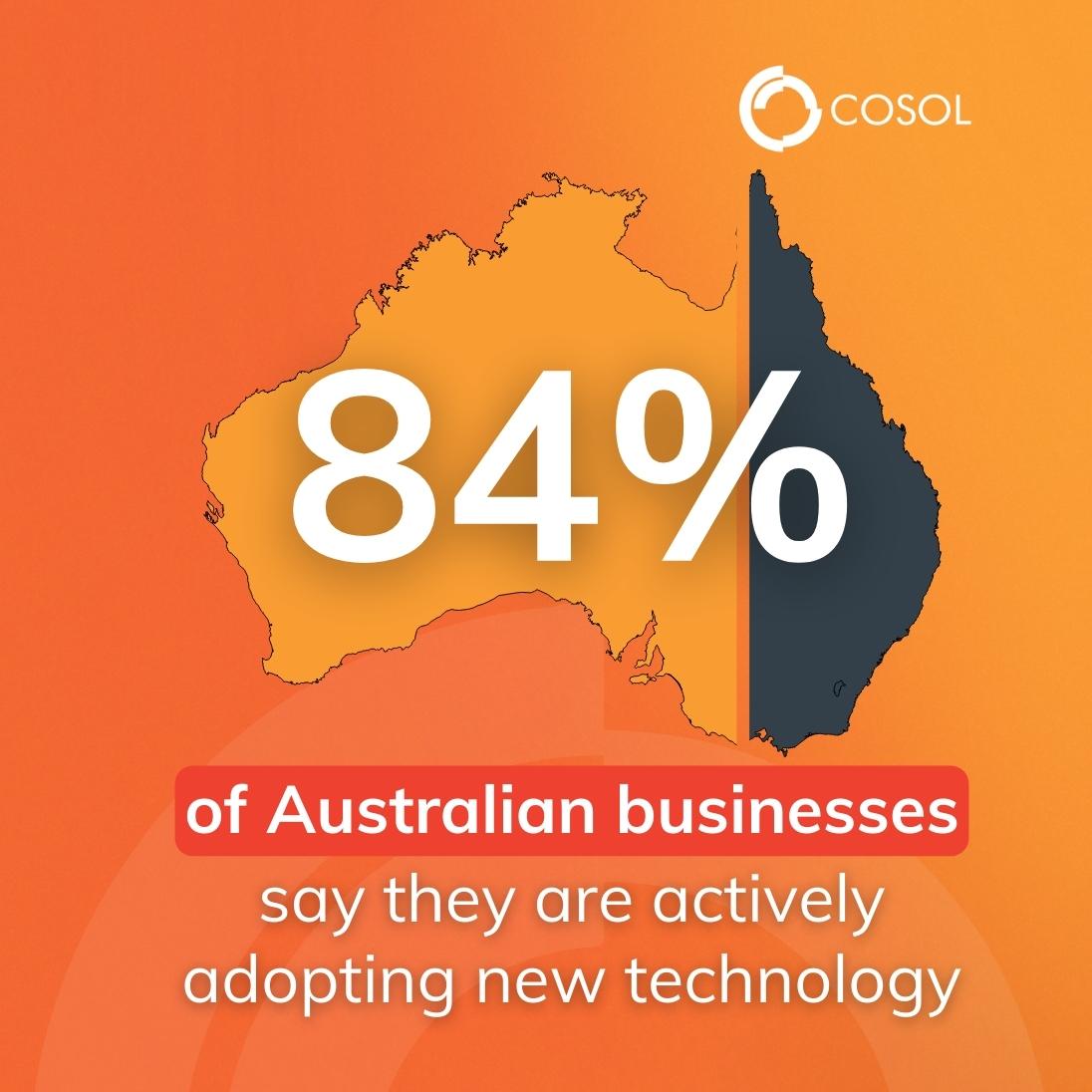
And this hesitation isn’t unique to one organisation. It’s playing out across Australia. According to the Australian Industry Group, even though 84% of Australian businesses say they are actively adopting new technology, they are doing it extremely carefully, incrementally, and under constraint. The same research that shows 84% of organisations adopting technology also shows that skills shortages, financial risk, and operational exposure are the main brakes on deeper transformation, according to more than half of Australian leaders.
In other words, many leaders know they need to modernise, but don't fully trust their systems, their data, or their people to carry that change safely.

Decisions get delayed, legacy systems stay in place, workarounds multiply, and the operational cost of doing nothing keeps rising, quietly but relentlessly.

That’s the tension COSOL sees repeatedly inside asset-centric organisations. Leaders aren’t anti-technology, they’re risk-aware. They understand that in environments where reliability, safety, and uptime matter, getting transformation wrong is often worse than not acting at all. The challenge is that standing still is rarely neutral, it just hides risk until it surfaces somewhere more painful.
Image

The good news is that we didn’t pull 20 legacy systems, 80 million records, and 350 data sources from thin air. It’s exactly the challenge COSOL recently helped a customer overcome. Working across deeply fragmented legacy environments, complex asset data, and significant operational risk, COSOL delivered a large-scale SAP migration that restored data confidence, reduced disruption, and created a system the business could trust from day one. The scale was significant, the risk was real, and the outcome demonstrates what is possible when transformation is approached as an operational discipline, not just a technical exercise.

Three of our SAP specialists, with a combined 55 years of SAP experience, share what it takes to earn that trust - and what it looks like in practice when navigating a complex SAP migration.
The team of SAP experts
Image
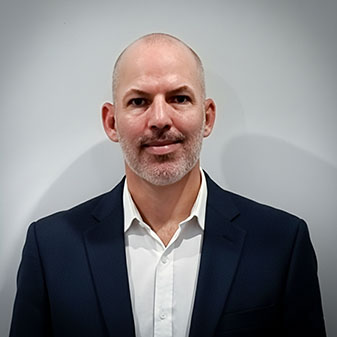
Beau Jagger, SAP Capability Manager at COSOL, leads COSOL’s SAP practice with a focus on how systems perform in real operational environments. His experience across asset-intensive industries shapes an end-to-end approach to SAP ownership, where systems are built to reflect how work is actually done on site and to keep delivering value well beyond go-live.
Profile photo of Luke Dale
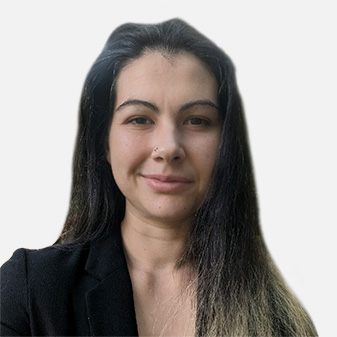
Luke Dale, SAP Data Migration Lead at COSOL, specialises in complex, high-risk migrations involving large volumes of asset and operational data. He works closely with business and technical teams to make sure maintenance, compliance, and asset data is accurate, usable, and trusted before it enters a live SAP environment.
Profile photo of Christian Connor
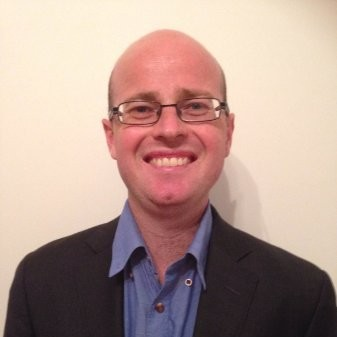
Christian Connor, SAP Solution Architect at COSOL, designs SAP solutions that support operational flow and clear accountability. His work focuses on reducing reliance on spreadsheets and manual workarounds, bringing critical processes back into SAP so organisations can realise the value they originally invested in.

Why trust matters more than certainty

Asset-centric organisations run on uptime, safety, and predictable operations. As the system where plans become work orders, compliance records are audited, and decisions are made under pressure, SAP sits at the heart of that reality

“We treat SAP as something that must reliably support operations every day,” says Beau Jagger, SAP Capability Manager at COSOL.

“When the system reflects how people actually work on site, confidence grows. When it doesn’t, people build shadow systems to stay safe. That’s where risk builds.”
Across Australia, leaders are adopting technology, but adoption without integration creates partial change, and partial trust. Too often, SAP is deployed and then work slips out of it because the system wasn’t built for how work really happens. That gap erodes confidence instead of building it.

Getting data right is operationally essential
Quote made by Luke Dale

Operational decisions are only as good as the data they rely on. In asset-centric environments, inaccurate data leads to delayed maintenance, missed compliance, and unexpected downtime, all choices that cost real money and safety.

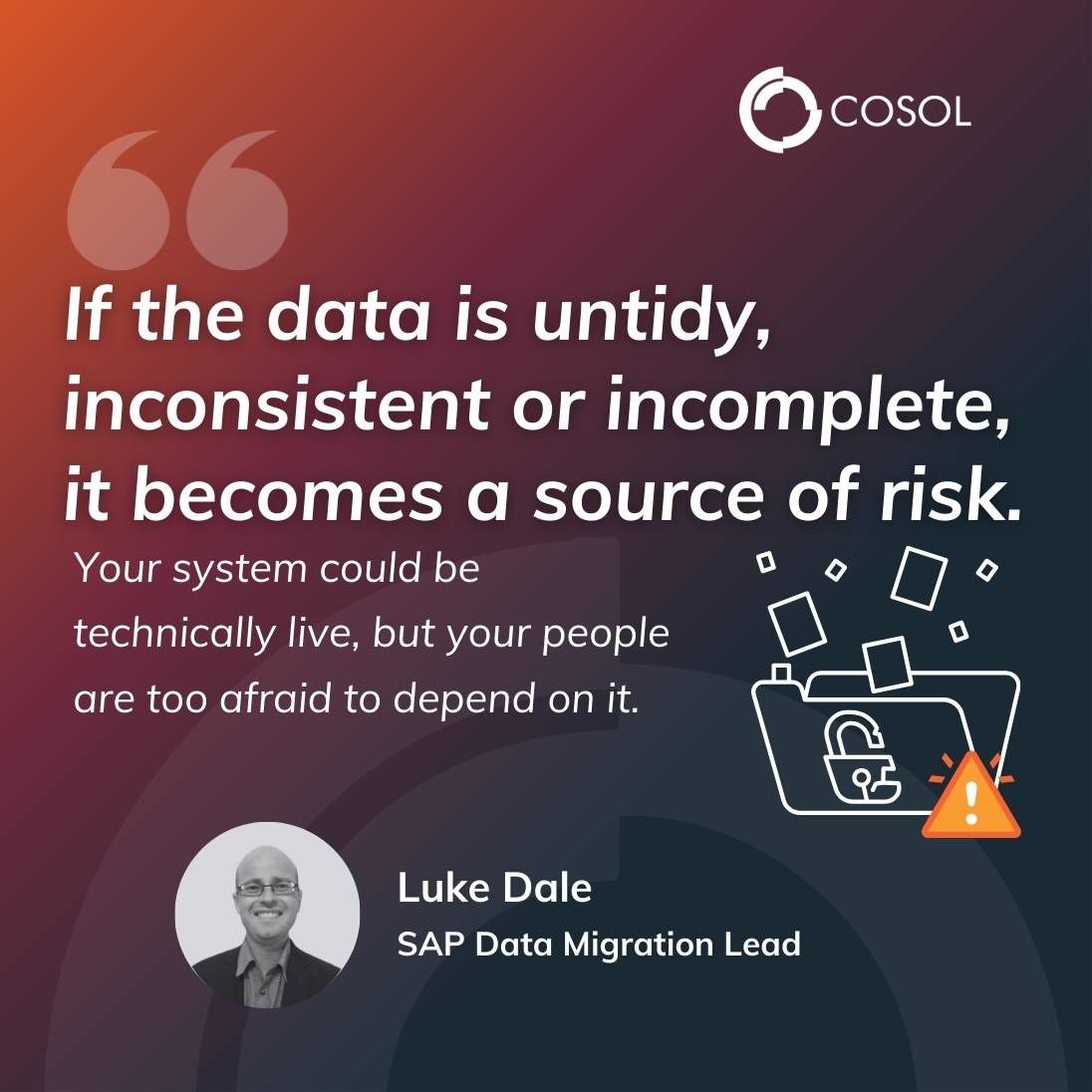
“Data migration is the foundation of reliable operations,” says Luke Dale, SAP Data Migration Lead at COSOL. “If the data is untidy, inconsistent or incomplete, it becomes a source of risk. Your system could be technically live, but your people are too afraid to depend on it.”

Luke has led migrations where millions of records were reconciled across siloed systems, and he stresses that this work cannot be treated as an afterthought.

COSOL’s migration approach forces the hard questions early: What version of truth will this system hold? How will maintenance histories be trusted? Are critical assets properly identified? Pushing these questions up front shortens risk exposure later.

“Data has to be verified before it’s in production. We work with business teams to validate what matters to them, not because we are focusing on technical cleanup, but because it’s operational risk control.”

Operational decisions are only as good as the data they rely on. In asset-centric environments, inaccurate data leads to delayed maintenance, missed compliance, and unexpected downtime, all choices that cost real money and safety.

“Data migration is the foundation of reliable operations,” says Luke Dale, SAP Data Migration Lead at COSOL. “If the data is untidy, inconsistent or incomplete, it becomes a source of risk. Your system could be technically live, but your people are too afraid to depend on it.”

Luke has led migrations where millions of records were reconciled across siloed systems, and he stresses that this work cannot be treated as an afterthought.

COSOL’s migration approach forces the hard questions early: What version of truth will this system hold? How will maintenance histories be trusted? Are critical assets properly identified? Pushing these questions up front shortens risk exposure later.

“Data has to be verified before it’s in production. We work with business teams to validate what matters to them, not because we are focusing on technical cleanup, but because it’s operational risk control.”

Quote made by Luke Dale

Confidence comes from lines of accountability

One of the quickest ways trust dissolves is when nobody owns the output of a system.

“When work leaves SAP and moves into spreadsheets, emails or side systems, accountability slips,” Christian Connor, SAP Solution Architect at COSOL, explains. “That’s where friction builds and people stop relying on the system.”

Christian focuses on aligning SAP configuration with operational roles so that responsibility and capability sit in the same place. When technicians can see their work reflected accurately, when planners can trust schedules, and when supervisors can monitor compliance without patchwork systems, confidence follows.

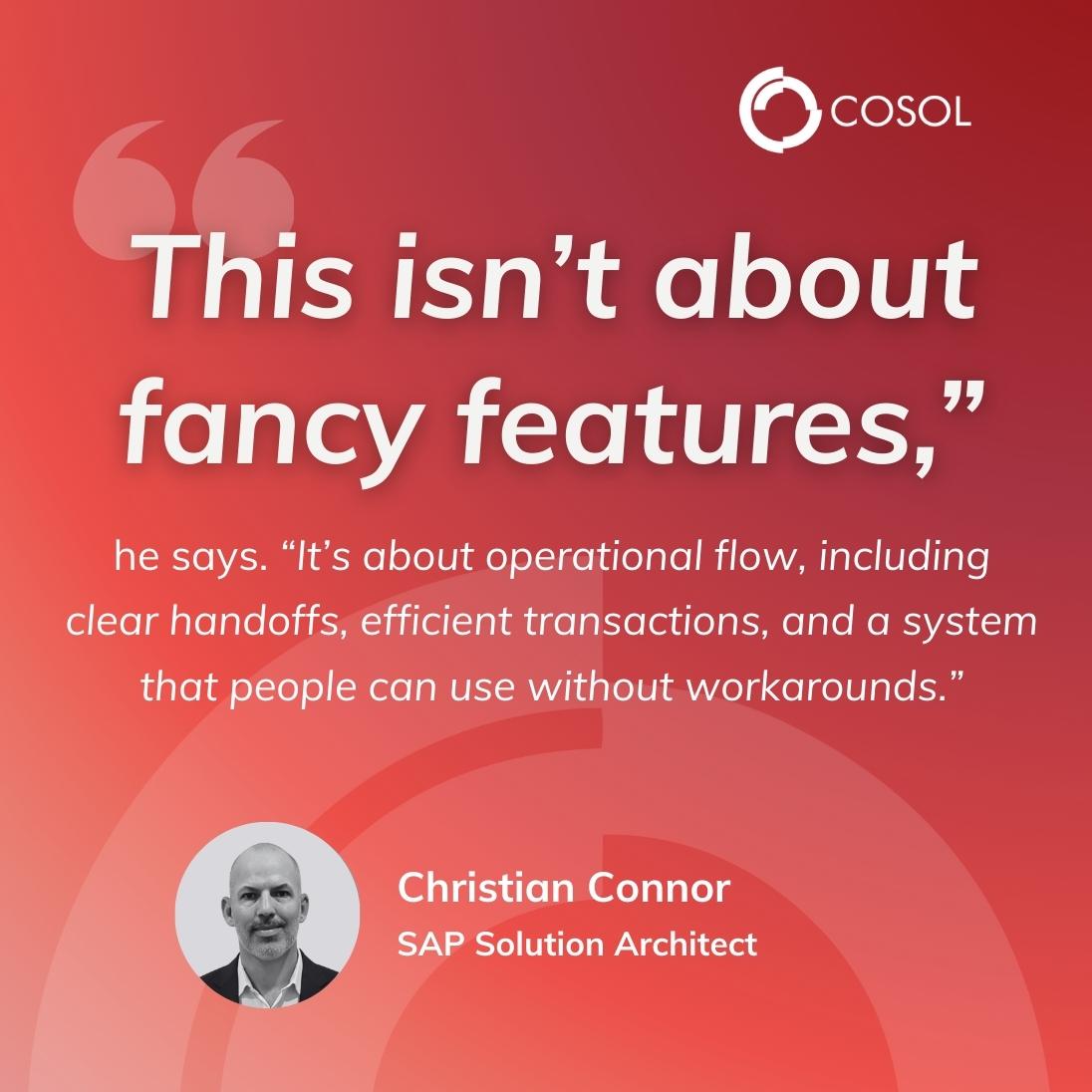
“This isn’t about fancy features,” he says. “It’s about operational flow, including clear handoffs, efficient transactions, and a system that people can use without workarounds.”
Quote by Christian Connor

When it comes to complex operating environments, experience matters

Experience in SAP for complex environments is measured by outcomes under strain.

“We’ve seen every variation of data mess, configuration mismatch, and process bypass,” Beau says. “That experience teaches you where risk hides. We help clients avoid those traps because we’ve stood in the smoke of them before.

“Our clients trust us because we make decisions that hold up in real operations. We don’t optimise for a perfect project timeline. We optimise for systems that actually work when the pressure is on.

Trust built over time, not at go-live
COSOL’s approach treats go-live as a milestone, not the finish line. Systems continue to evolve, operations shift, and new requirements emerge. Holding trust over time means standing with the client through that evolution.

“Trust is earned by consistency,” says Beau. “By helping clients improve processes, clean up data, and maintain reliability long after the initial delivery.”

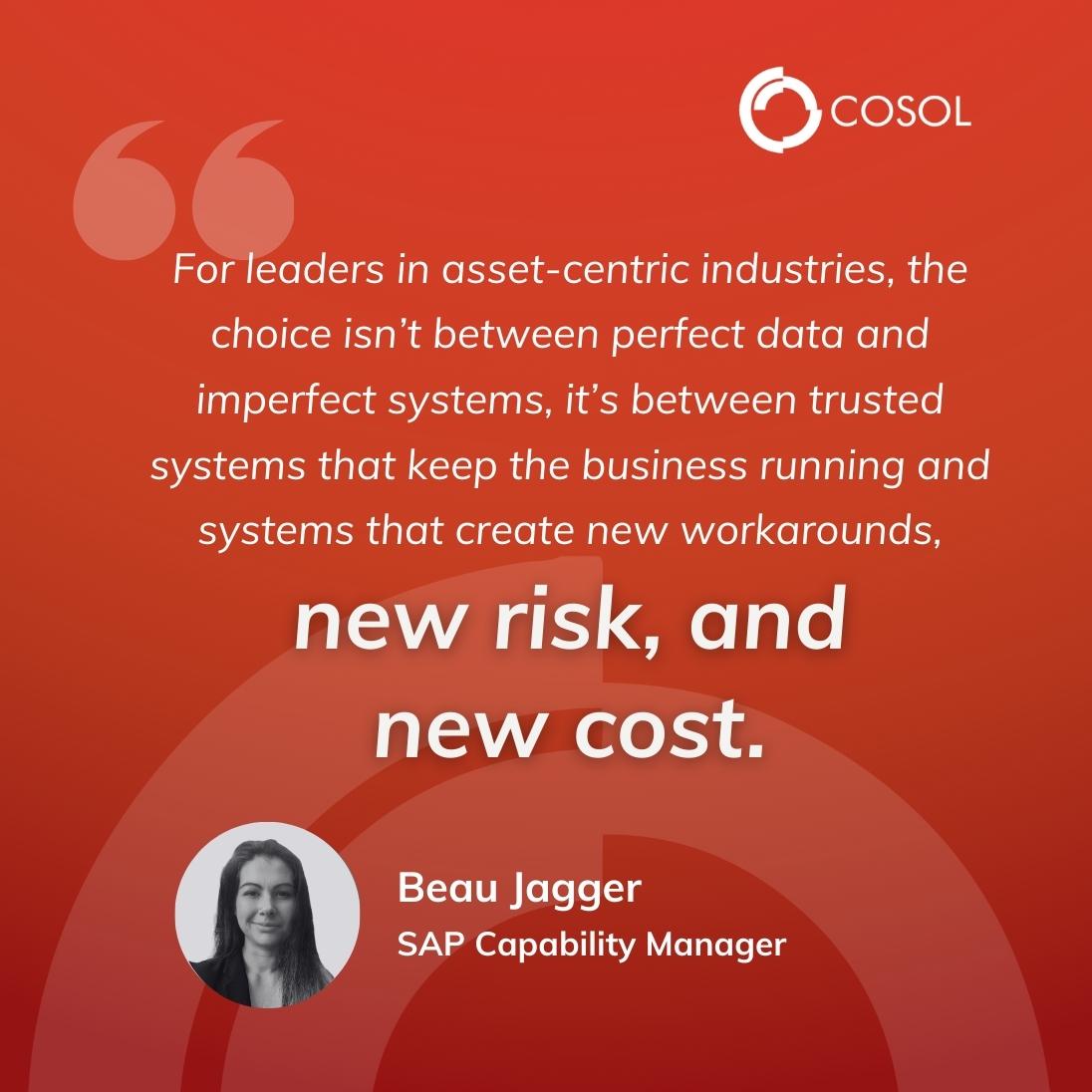
For leaders in asset-centric industries, the choice isn’t between perfect data and imperfect systems, it’s between trusted systems that keep the business running, and systems that create new workarounds, new risk, and new cost.

The difference lies in how change is approached: as an operational discipline rooted in real work, not a technical exercise confined to a project plan.

Quote made by Beau Jagger

COSOL’s approach treats go-live as a milestone, not the finish line. Systems continue to evolve, operations shift, and new requirements emerge. Holding trust over time means standing with the client through that evolution.

“Trust is earned by consistency,” says Beau. “By helping clients improve processes, clean up data, and maintain reliability long after the initial delivery.”

For leaders in asset-centric industries, the choice isn’t between perfect data and imperfect systems, it’s between trusted systems that keep the business running, and systems that create new workarounds, new risk, and new cost.

The difference lies in how change is approached: as an operational discipline rooted in real work, not a technical exercise confined to a project plan.

COSOL: SAP expertise in asset-centric operations

Complex SAP environments in mining, energy, transport, and defence don’t leave room for guesswork. COSOL’s SAP capability is built on delivering reliable outcomes where uptime, safety, and compliance are non-negotiable.

If you’re managing fragmented legacy systems or planning an SAP transformation, let’s talk about what’s possible.

Discuss Your SAP Environment