

At a glance
- Australian leaders hesitate on SAP transformations not from a lack of vision, but from justified concern about systems, data, and operational risk.
- COSOL delivered a complex SAP migration across 20 legacy systems, 80 million records, and 350 data sources with trusted, operational outcomes.
- Data migration must be verified before production; inaccurate data creates delayed maintenance, missed compliance, and unexpected downtime.
- Trust is earned through SAP systems that reflect real operational workflows, clear accountability, and ongoing support beyond go-live.
Decisions get delayed, legacy systems stay in place, workarounds multiply, and the operational cost of doing nothing keeps rising, quietly but relentlessly.
That’s the tension COSOL sees repeatedly inside asset-centric organisations. Leaders aren’t anti-technology, they’re risk-aware. They understand that in environments where reliability, safety, and uptime matter, getting transformation wrong is often worse than not acting at all. The challenge is that standing still is rarely neutral, it just hides risk until it surfaces somewhere more painful.
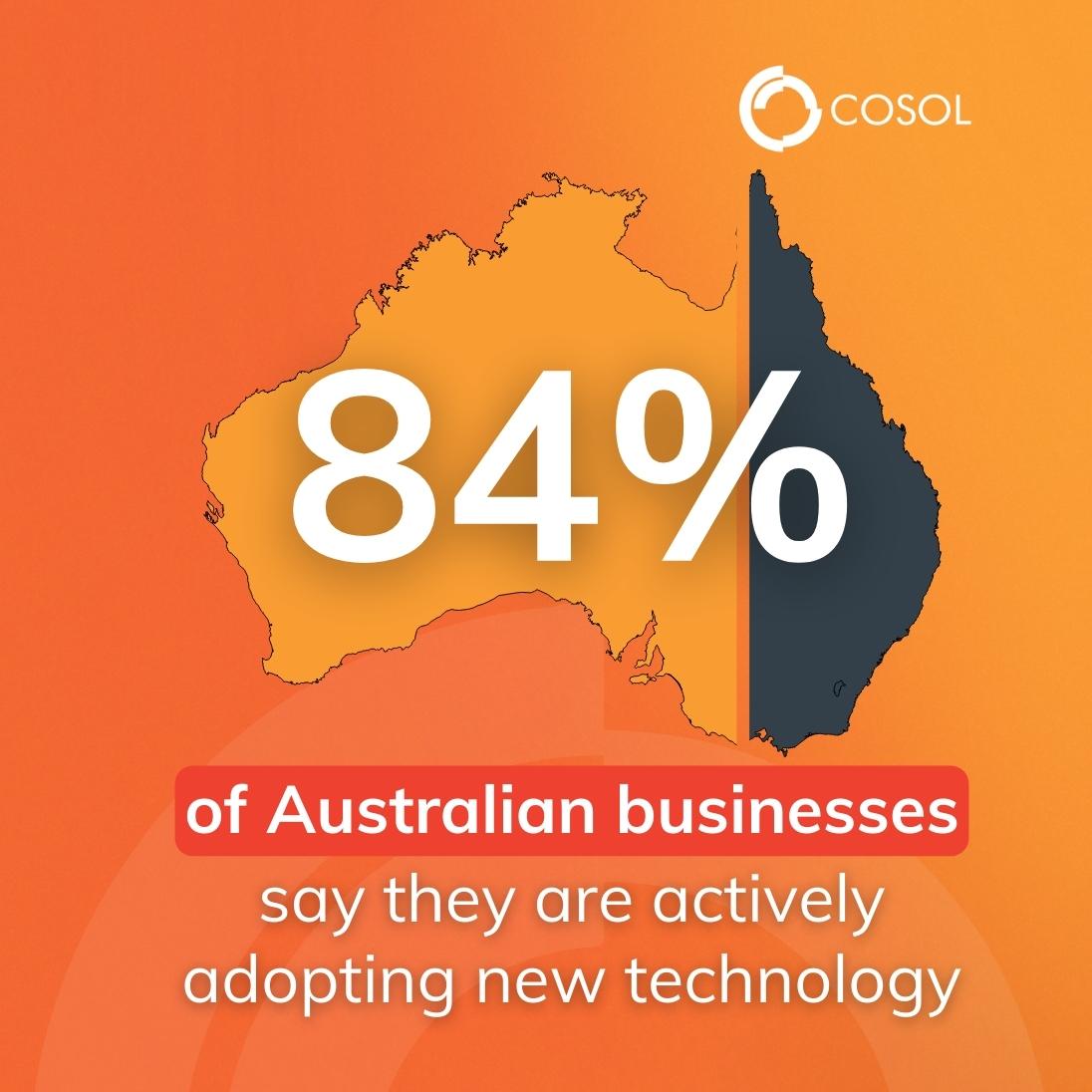
The good news is that we didn’t pull 20 legacy systems, 80 million records, and 350 data sources from thin air. It’s exactly the challenge COSOL recently helped a customer overcome. Working across deeply fragmented legacy environments, complex asset data, and significant operational risk, COSOL delivered a large-scale SAP migration that restored data confidence, reduced disruption, and created a system the business could trust from day one. The scale was significant, the risk was real, and the outcome demonstrates what is possible when transformation is approached as an operational discipline, not just a technical exercise.
Three of our SAP specialists, with a combined 55 years of SAP experience, share what it takes to earn that trust - and what it looks like in practice when navigating a complex SAP migration.
Why trust matters more than certainty
Asset-centric organisations run on uptime, safety, and predictable operations. As the system where plans become work orders, compliance records are audited, and decisions are made under pressure, SAP sits at the heart of that reality
“We treat SAP as something that must reliably support operations every day,” says Beau Jagger, SAP Capability Manager at COSOL.
Getting data right is operationally essential
Confidence comes from lines of accountability
One of the quickest ways trust dissolves is when nobody owns the output of a system.
“When work leaves SAP and moves into spreadsheets, emails or side systems, accountability slips,” Christian Connor, SAP Solution Architect at COSOL, explains. “That’s where friction builds and people stop relying on the system.”
Christian focuses on aligning SAP configuration with operational roles so that responsibility and capability sit in the same place. When technicians can see their work reflected accurately, when planners can trust schedules, and when supervisors can monitor compliance without patchwork systems, confidence follows.
“This isn’t about fancy features,” he says. “It’s about operational flow, including clear handoffs, efficient transactions, and a system that people can use without workarounds.”
When it comes to complex operating environments, experience matters
Experience in SAP for complex environments is measured by outcomes under strain.
“We’ve seen every variation of data mess, configuration mismatch, and process bypass,” Beau says. “That experience teaches you where risk hides. We help clients avoid those traps because we’ve stood in the smoke of them before.
“Our clients trust us because we make decisions that hold up in real operations. We don’t optimise for a perfect project timeline. We optimise for systems that actually work when the pressure is on.
Trust built over time, not at go-live
COSOL: SAP expertise in asset-centric operations
Complex SAP environments in mining, energy, transport, and defence don’t leave room for guesswork. COSOL’s SAP capability is built on delivering reliable outcomes where uptime, safety, and compliance are non-negotiable.
If you’re managing fragmented legacy systems or planning an SAP transformation, let’s talk about what’s possible.